
Padlock for shipping container
“Padlock for Shipping Container”, or a lock for shipping containers, is a specialized lock designed specifically to secure shipping containers from unauthorized access, theft, and tampering. These locks are constructed to withstand harsh weather conditions and thwart break-in attempts using advanced security mechanisms. Unlike traditional padlocks, which can be easily overcome using cutting pliers, grinders, or can be damaged by weather, shipping container locks are made for maximum durability and long-term performance in outdoor environments.
Shipping container padlocks are essential for protecting containers used for various purposes, including transporting goods, static storage, or repurposed structures such as offices. They form a crucial part of security solutions for shipping containers, providing peace of mind to their owners and operators.
 Czech Republic
  WITHOUT SHIPPING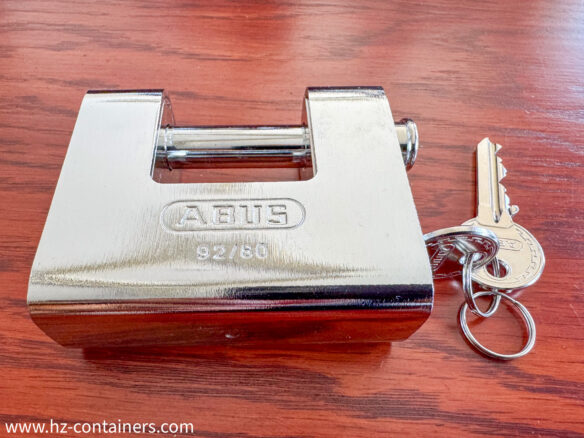

Key Features of Shipping Container Padlocks
1. Robust Construction
Shipping container padlocks are made of hardened steel, alloy steel, or brass, making them resistant to cutting, sawing, and prying. This robust construction ensures they can withstand brute force attacks and provide a high level of security.
- Hardened Steel: Known for its exceptional strength and resistance to physical attacks.
- Alloy Steel: Offers increased resistance to cutting, making it a popular choice for high-security applications.
- Brass: Although not as strong as steel, brass is corrosion-resistant, making it suitable for certain environments.
2. Weather Resistance
Shipping container padlocks are designed to withstand extreme weather conditions, including:
- High humidity and heavy rain: Prevents rust formation and jamming.
- Salty sea air: Resistant to corrosion during sea transport.
- Extreme temperatures: Reliable performance in both freezing and high temperatures.
To enhance weather resistance, many locks feature surface treatments such as electrophoretic coatings or have a stainless steel finish, which protects against corrosion and long-term exposure to the elements.
3. Tamper Resistance
A notable feature of shipping container locks is their anti-tampering mechanisms, which make it difficult to:
- Use cutting pliers or grinders to break the shackle.
- Open the lock using advanced pin configurations and anti-bypass technologies.
- Drill the lock due to anti-drill plates that protect key components.
4. Lock Protecting Cabinets
Shipping container padlocks are often used in conjunction with lock protecting cabinets, which are welded covers on the container doors. These cabinets provide an extra layer of security by:
- Concealing the lock from view.
- Preventing access to the shackle, effectively preventing the use of cutting pliers or grinders.
5. Advanced Locking Mechanisms
Premium locks include features like double ball locking mechanisms, adjustable cylinders, or electronic systems. These features ensure that the lock cannot be easily manipulated or forced open.
Main Types of Shipping Container Padlocks
Shipping container padlocks are available in various designs, each suited to specific security requirements:
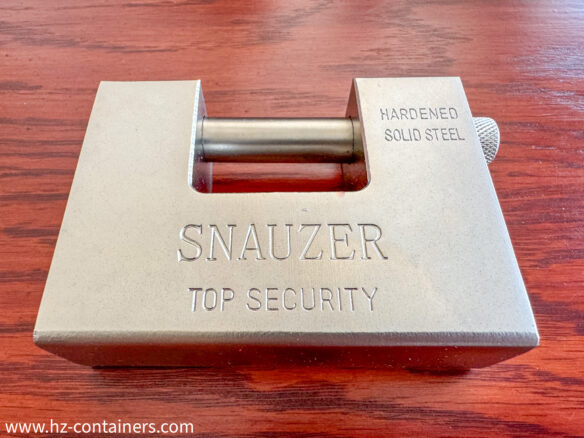
1. Traditional Robust Padlocks
- Made of hardened steel or brass.
- Provide basic protection but are better used with a lock protecting cabinet for enhanced security.
2. Padlocks with Hidden Shackles
- Contain a shackle hidden within the body of the lock, making them resistant to tools like cutting pliers or grinders.
- Often combined with custom lock protecting cabinets for better security.
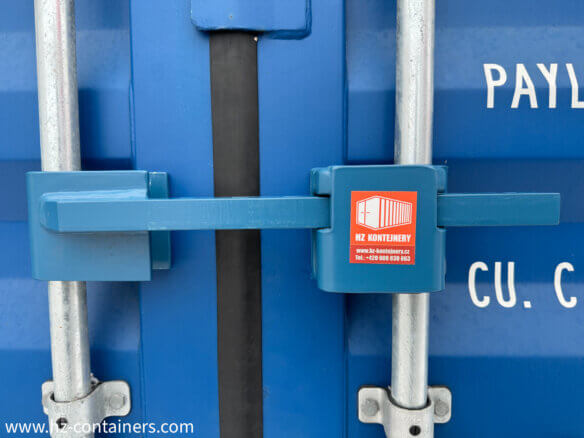
3. Cross-Bar Locks
- Use an adjustable steel bar that spans across the width of the container door.
- Strengthen the locking mechanism and provide additional security.
4. Keyless Locks
- Include electronic locks with keypads, Bluetooth or NFC locks.
- Allow access via codes, smartphones, or fingerprints.
- Offer access history to track unlocking attempts, providing greater accountability.
5. Biometric Locks
- They operate based on fingerprints.
- They eliminate the need for traditional keys and minimize the risk of loss or duplication.
6. Combination Locks
- They require a specific code to unlock.
- Suitable for situations with shared access, eliminating the need for key duplication.
Why Do Shipping Containers Need Specialized Locks?
1. Enhanced Security
Shipping containers often store valuable goods, making them attractive targets for theft. Specialized locks prevent unauthorized access and protect the contents.
2. Resistance to Burglary Tools
Common padlocks are vulnerable to tools such as crowbars, bolt cutters, and grinders. Shipping container locks are designed to resist these threats and provide robust protection.
3. Weather Resistance
Containers are often exposed to extreme weather conditions. Weather-resistant locks prevent:
- Corrosion and rust.
- Freezing in cold weather.
- Damage from sand or dust.
4. Peace of Mind
High-quality locks provide confidence that your stored or transported goods are secure, whether for business or personal purposes.
Key Security Features for Shipping Containers
In addition to padlocks, comprehensive security includes other measures:
1. Lock Protection Boxes
- Welded to the container doors for additional protection.
- Protect locks from tampering, cutting, or drilling.
2. Internal Screw Locks
- Installed inside the container to prevent door opening, even if the external locks are compromised.
3. Motion Lights
- Illuminate the area around the container, deterring thieves, especially in remote or poorly lit places.
4. Alarm Systems
- Activate when unauthorized access is attempted.
- Send alerts to connected devices in real-time.
5. Video Surveillance
- Monitor the area around the container and act as a deterrent.
- Provide valuable evidence in the case of theft.
How to Choose the Right Lock for Your Shipping Container?
When choosing a lock, consider the following criteria:
1. Material and Durability
Choose materials such as:
- Hardened Steel: For strength and resistance to cutting.
- Alloy Steel: For extreme durability.
- Stainless Steel: For optimal weather resistance.
2. Locking Mechanism
- Choose double ball-locking mechanisms for greater resistance to picking.
- Look for anti-pick and anti-drill features for enhanced security.
3. Size and Fit
- Ensure the lock fits securely into the hasp or protective box of the container.
- Adjust the lock’s dimensions to the protective box.
4. Weather Resistance
- Prefer locks with corrosion-resistant coatings.
- Choose durable designs for extreme weather conditions.
Conclusion: Why Invest in a Padlock for Your Shipping Container?
Investing in a padlock for your shipping container is essential for anyone using shipping containers for storage, transport, or other purposes. These specialized locks provide:
- Unmatched security against theft and tampering.
- Weather resistance for reliable performance in outdoor conditions.
- Advanced features, including keyless and biometric technologies.
By combining the lock with other security measures, such as protective boxes, alarm systems, and surveillance, you will ensure comprehensive protection and peace of mind for your valuable assets.