
CY – Container Yard
In the global world of international trade and logistics, container terminals play a key role in the efficient movement of goods around the world. The term CY, which is an abbreviation for Container Yard or container terminal, is a fundamental concept in the field of maritime transport. This article aims to provide a detailed overview of what a container terminal is, how it works, and its importance in international transport.
What is a Container Yard (CY)?
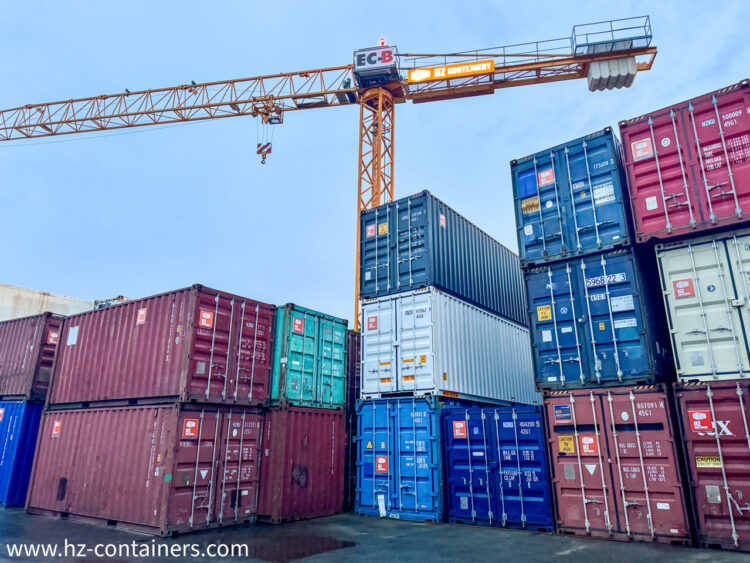
A Container Yard (CY) is a special area within or near a port where containers are temporarily stored before being loaded onto a ship or after being unloaded from it. It serves as a central point for handling containers, their storage, and preparation for further transport.
At a container yard/container terminal, containers are:
- Stored: Containers are stored here before or after transport.
- Handled: With the help of specialized equipment, such as cranes and forklifts, containers are moved.
- Prepared: Containers are inspected, repaired, and prepared for the next journey.
Role of Container Yards in International Transport
In international transport, container terminals play a key role in the following areas:
- Efficient movement of goods: They enable fast and efficient handling of containers, which reduces transport time.
- Logistics hub: It serves as a point where different modes of transport meet (maritime, road, rail).
- Temporary storage: They offer a safe place for temporary storage of containers until they are ready for further transport.
- Customs clearance: They facilitate the customs clearance and inspection process.
Activities at a Container Yard
A number of important activities take place at a container yard:
Container Storage
Containers are stored in organized rows and columns, which allows for efficient use of space. Both full and empty containers are stored here.
Loading and Unloading
With the help of specialized equipment, such as cranes and forklifts, containers are loaded onto ships, trains, or trucks and unloaded from them.
Maintenance and Inspection
Containers are regularly inspected for any damage and necessary repairs and maintenance are carried out to ensure the safety of the transported goods.
Organization by Destination
Containers are arranged according to their destination, which facilitates their quick identification and movement.
Difference Between Container Yard (CY) and Container Freight Station (CFS)
Although both terms are often confused, there is a significant difference between them.
Container Yard (CY)
- Works with full containers (FCL – Full Container Load).
- Containers are handled as a whole without opening.
- It is used when transporting from the shipper’s container yard to the consignee’s container yard.
Container Freight Station (CFS)
- Works with less than container load shipments (LCL – Less than Container Load).
- Containers are opened here and goods are consolidated or deconsolidated.
- It serves for consolidated shipments from various shippers.
Types of Transport Services: CY–CY Transport
CY–CY transport refers to transport where the container is picked up and delivered at a container yard. The carrier’s responsibility begins with the pickup of the container at the origin CY and ends with its delivery at the destination CY.
Importance of CY–CY Transport
- Efficiency: Minimizes handling of goods, reduces risk of damage.
- Control: Shipper and consignee have greater control over land transport.
- Flexibility: Allows the use of own logistics networks.
Advantages of Using Container Yards
- Cost savings: Efficient handling and storage reduce overall transport costs.
- Security: Containers are stored in secure areas, which minimizes the risk of theft or damage.
- Speed: Fast handling of containers allows for adherence to transport schedules.
- Transport integration: Possibility of easy transition between different types of transport (intermodal transport).
Management and Operation of Container Yards
Equipment and Technology
- Specialized equipment: Cranes, forklifts, loaders.
- Terminal management software: Systems for tracking container location, planning loading and unloading.
Logistics Processes
- Space planning: Efficient use of storage area.
- Container movement management: Optimization of routes to minimize movements.
- Security procedures: Inspections, protection against unauthorized access.
Container yards are an indispensable part of modern global trade. They enable efficient and safe movement of goods around the world. Understanding the function of CY, its differences compared to CFS, and its importance in logistics can help businesses optimize their transport processes and achieve better efficiency in international transport.
Glossary of Terms
- CY (Container Yard): Container yard/terminal, a place for storage and handling of containers.
- CFS (Container Freight Station): Container freight station, a place for consolidation and deconsolidation of goods.
- FCL (Full Container Load): Full container shipment from one shipper to one consignee.
- LCL (Less than Container Load): Less than container load shipment sharing a container with other shipments.
- Intermodal transport: Transport using multiple types of transport without handling the cargo contents.
- Cranes and forklifts: Specialized equipment for handling containers.
Keywords used in the article: container yards, container terminals, difference between container yard and container freight station, container yard container transport, container yard activities, temporary storage, international trade, goods transport, container yard, container terminal, logistics, full container load (FCL), container equipment, cranes, forklifts, maritime transport.