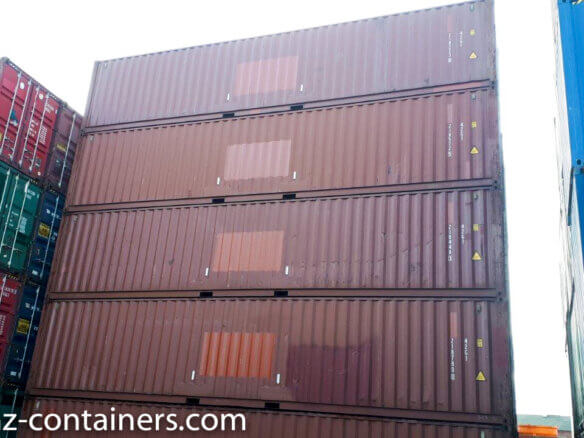
Naples – Italy Container Depot
The depot in Naples, Italy represents one of the most important logistical gateways of central and southern Europe. It is located in the port of Naples (Napoli) on the western coast of Italy and serves as a key intermodal hub that connects maritime, rail, and road transport. This complex logistics system processes millions of tons of goods annually and plays a crucial role in international trade. The Naples Italy depot is not merely a warehouse — it is a modern infrastructure center equipped with advanced technologies, sophisticated customs procedures, and global logistics networks.
What is the Naples Italy Depot?
The term “depot” in the context of Naples logistics refers to a complex system of warehouses, terminals, and logistics centers that serve to handle, store, and transport goods. The Naples Italy depot is a natural and artificial port covering approximately 408.6 hectares, of which 266 hectares constitute water surface and 142.6 hectares constitute land area. It is one of the busiest ports in Italy and the Mediterranean, processing millions of passengers and enormous volumes of goods annually.
The depot in Naples is not merely a simple warehouse — it is a sophisticated intermodal hub that integrates various modes of transport. The port infrastructure includes 70 anchorages, 1,336,000 square meters of storage capacity, and annual capacity of 500,000 TEU (Twenty-foot Equivalent Units). This capacity makes Naples one of the largest container ports in Europe.
Definition of Depot in Logistics Context
In the Czech Republic and Central Europe, the term “depot” traditionally refers to railway or automobile vehicles intended for maintenance and repairs. In the context of Italian logistics, however, the concept expands to a modern logistics center that includes storage, handling, transport, and services related to international trade. The Naples Italy depot thus represents a multifunctional logistics space where all these activities converge.
| Type of Depot | Primary Function | Characteristic |
|---|---|---|
| Container Depot | Handling and storage of containers | High capacity, specialized equipment |
| Customs Depot | Customs procedures and documentation | Inspection, tax services, VAT |
| Storage Depot | General storage | Flexible space, various goods |
| Maintenance Depot | Container repairs and maintenance | Technical services, maintenance |
| Intermodal Terminal | Transfer between modes | Rail, road, maritime |
Historical Development of Naples Port
Naples Port has a rich history dating back to antiquity. The city of Naples was founded by Greek colonists and the port served as an important trading point already in Roman times. During the Middle Ages and Renaissance, the port remained one of the most important Mediterranean trading centers.
The modern transformation of the Naples port began in the 19th century, when the industrial revolution and international trade developed. The port was gradually modernized to handle growing volumes of goods. However, the greatest transformation came with the advent of container transport in the second half of the 20th century.
In the 1990s, the Naples port underwent extensive modernization. New container terminals were built, capacity was increased, and modern technologies were introduced. Today, Naples is one of the most modern ports in Europe with advanced IT systems, automated processes, and sophisticated logistics solutions.
What are the Main Terminals and Infrastructure of the Naples Depot?
The Naples Italy depot consists of several specialized terminals, each with its specific function and capacity. This diversification enables efficient handling of various types of goods and services.
Flavio Gioia Terminal
The Flavio Gioia Terminal is one of the most significant container terminals in the Naples port. Named after an Italian mathematician and scientist, it is a multifunctional terminal that was commissioned in 1994. The Flavio Gioia Terminal specializes in handling containers, project cargo, and miscellaneous goods (break-bulk cargo).
The Flavio Gioia terminal offers comprehensive services including loading and unloading of containers, storage, maintenance and repairs of empty containers, customs services, and other auxiliary services. The terminal is equipped with modern cranes, handling equipment, and IT systems that enable efficient cargo handling. The terminal’s capacity reaches hundreds of thousands of TEU annually, making it a key point in the logistics network of southern Europe.
CONATECO (Consorzio Napoletano Terminal Containers)
CONATECO is a consortium that manages one of the main container terminals in the Naples port. It is a consortium of several companies that participate in the operation and management of the terminal. CONATECO focuses on efficient handling of containers and providing high-level services.
The CONATECO consortium handles tens of thousands of containers annually and is one of the largest operators in the Naples port. The terminal is equipped with advanced technologies and offers services including loading, unloading, storage, and handling of containers.
Other Terminals in Naples Port
The Naples port also includes other terminals and facilities:
- Società Terminal Contenitori (STC): Another important operator focusing on container handling
- Petroli Terminal: Specialized terminal for transport of liquid products and oil
- Terminal Coastal Tirrenia: Terminal focused on transport in the Tyrrhenian Sea
- Cruise Terminal (Stazione Marittima): Modern terminal for passengers and ships
Each of these terminals has a specific function and contributes to the overall capacity and functionality of the Naples port.
Physical Infrastructure and Technical Parameters
The Naples port has extensive infrastructure that enables efficient handling of large volumes of goods. The infrastructure includes:
- 70 anchorages for various types of ships
- 11.5 kilometers of quays
- 1,336,000 square meters of storage capacity
- 38 quays with various lengths and depths
- Water depth: 5 to 14 meters
- Maximum draft: 13.7 meters
- Maximum ship width (beam): 46 meters
- Maximum ship length (LOA): 363 meters
| Infrastructure Element | Specification | Capacity/Number |
|---|---|---|
| Anchorages | Various types | 70 |
| Quays | Total length | 11.5 km |
| Storage Space | Containers | 1,336,000 m² |
| Water Depth | Average | 5–14 m |
| Maximum Ship Draft | Limitation | 13.7 m |
| Cranes | Lifting Capacity | 0–150+ mt |
| Annual Capacity | TEU | 500,000 |
The port is equipped with modern cranes of various lifting capacities (from 0–24 mt to 150+ mt), which enable handling of various types of goods and containers. The infrastructure is continuously modernized and expanded to meet growing transport requirements.
How Does Intermodal Transport Work in the Naples Depot?
Intermodal transport is one of the key advantages of the Naples depot. It enables efficient transfer of goods between various modes of transport — maritime, rail, and road.
What is Intermodality and Why is it Important?
Intermodality means transporting goods in the same container or transport unit across multiple modes of transport without handling the goods themselves. In the context of the Naples Italy depot, this means that a container can arrive by ship, be loaded onto a train or truck, and continue its journey without opening the container.
This method of transport has many advantages:
- Efficiency: Reduces handling time and risk of cargo damage
- Cost-effectiveness: Optimizes transport costs by combining various modes
- Flexibility: Enables adaptation to changing market requirements
- Sustainability: Reduces the carbon footprint of transport through more efficient use of resources
Connection with Rail Transport
The Naples port is connected to the Italian and European rail network through modern intermodal terminals. The most important of these is Interporto Campano in Nola, which is located approximately 30 kilometers from Naples.
Interporto Campano (Nola Business Park) is one of the largest intermodal hubs in Italy. It contains:
- Intermodal Terminal TIN (Terminal Intermodale Nola) with an area of 135,000 square meters
- Customs Zone Type E and temporary storage
- 13 pairs of loading and unloading platforms
- Direct rail connection with the main railway station
Through Nola, containers from Naples are distributed to central and northern Italy, as well as to central and eastern Europe. Rail transport offers a more environmentally friendly alternative to road transport and enables transport of larger volumes.
Connection with Road Transport
The Naples port is also well connected to the road network. There are direct connections with major highways in Italy and Europe. Containers can be loaded onto trucks and distributed to various destinations in Italy, Europe, and other parts of the world.
Road transport from Naples is particularly important for:
- Local distribution: Delivery of goods to cities and industrial areas in southern Italy
- Hinterland connections: Connection with inland logistics centers
- Flexibility: Enables transport of smaller volumes and specific routes
Maritime and Air Connections
The Naples port is one of the largest Mediterranean ports and has connections with all major world ports. Shipping companies operating lines between Asia, Africa, America, and Europe regularly visit Naples.
Air connection is provided through Capodichino Airport (Aeroporto di Napoli), which is located just a few kilometers from the port. This enables combined transport — air for urgent goods and maritime for bulk shipments.
What Services Does the Naples Depot Offer?
The Naples Italy depot offers an extensive range of logistics and transport services that cover all aspects of international trade.
Handling and Storage of Containers
The basic service of the Naples depot is container handling. This includes:
- Loading and unloading: Transfer of containers from ships to land transport and vice versa
- Storage: Temporary or long-term storage of containers in designated storage areas
- Maintenance and repairs: Technical services for container maintenance and repair
- Container cleaning: Special services for cleaning and disinfection
The depot has advanced handling facilities, including cranes, handlers, and other mechanisms that ensure safe and efficient container handling.
Customs and Tax Services
One of the most important services of the Naples depot are customs and tax procedures. The depot functions as:
- Customs Depot Type C: Private customs warehouse for temporary storage of goods intended for export or re-export
- VAT Depot: Physical warehouse for goods not subject to VAT at the time of import
- Temporary Storage: Zone for goods in transit
These services facilitate customs procedures and enable businesses to optimize their tax obligations. The depot is equipped with modern IT systems that enable electronic communication with customs authorities and accelerate customs clearance.
Special Services
The Naples depot also offers special services for specific types of goods:
- Dangerous goods (ADR): Special storage and procedures for transport of hazardous materials
- Project cargo: Handling of large and heavy units, such as machinery or construction elements
- Break-bulk cargo: Handling of miscellaneous goods not in containers
- Maintenance of empty containers: Cleaning, repairs, and maintenance of empty containers
Logistics Services
The Naples depot also provides advanced logistics services:
- Cross-docking: Transfer of goods between various modes of transport without long-term storage
- Stuffing and unstuffing: Loading and unloading of goods into/from containers
- Documentation and tracking: Management of documentation and real-time tracking of goods
- Container rental: Rental of empty containers for transport
- Weighing and measurement: Services for weighing and measuring goods
What are the Capacities and Performance of the Naples Depot?
The Naples Italy depot is one of the largest and most efficient ports in Europe. Its capacities and performance make it a key logistics node.
Annual Capacity and Volume
The Naples port has annual capacity of 500,000 TEU (Twenty-foot Equivalent Units). This means it can handle the equivalent of 500,000 twenty-foot containers annually. In practice, this means handling millions of tons of goods annually.
Current transport volumes are in the order of hundreds of thousands of TEU annually. The port handles:
- Containers: The largest part of transport
- Automobiles: Transport of new automobiles (RoRo terminal)
- Passengers: Millions of passengers annually (cruise and ferry terminals)
- General cargo: Miscellaneous goods not in containers
Technical Parameters and Limitations
The Naples port has certain technical limitations that affect the size of ships that can visit it:
- Maximum draft: 13.7 meters
- Maximum ship width (beam): 46 meters
- Maximum ship length (LOA): 363 meters
These limitations mean that the Naples port cannot accept the largest container ships (mega-carriers with capacity of 20,000+ TEU). However, it can accept a large portion of the global commercial fleet.
| Capacity Parameter | Value |
|---|---|
| Annual Capacity (TEU) | 500,000 |
| Number of Anchorages | 70 |
| Length of Quays | 11.5 km |
| Storage Space | 1,336,000 m² |
| Maximum Draft | 13.7 m |
| Maximum Width | 46 m |
| Maximum Length | 363 m |
How to Navigate the Naples Depot and What are the Practical Information?
If you plan to send or receive goods through the Naples depot, you should know basic practical information.
Location and Accessibility
The Naples port is located at:
Autorità Portuale di Napoli
Piazzale Pisacane 1
80133 Napoli, Italy
Phone: +39 081 228 3111
The port is easily accessible from various locations:
- Road transport: Direct connection with major highways (Autostrada A1, A3)
- Rail: Connection to the Italian rail network
- Air: Distance approximately 7 km from Capodichino Airport
- Maritime: Direct connection with world ports
Working Hours and Operating Procedures
The Naples port operates 24 hours a day, 7 days a week. However, some services may have limited operating hours. For specific information about the operating hours of a specific terminal, it is recommended to contact the respective terminal directly.
Basic procedures for shipping goods:
- Reservation: Reserve a space in the terminal
- Documentation: Prepare all necessary documents (invoices, packing lists, certificates)
- Customs clearance: Ensure customs clearance for your cargo
- Loading: Goods will be loaded into a container at the terminal
- Dispatch: The container will be sent to the designated location
Fees and Prices
Fees for services at the Naples depot vary depending on the type of service, size of goods, and specific terminal. Generally, they range:
- Handling fees: Range from tens to hundreds of euros per container
- Storage fees: Daily fees for storage (usually tens of euros per day)
- Customs fees: Depend on the type of goods and customs value
- Special services: Additional fees for maintenance, cleaning, and special handling
For exact prices, it is recommended to contact the respective terminal or logistics partner.
What are the Innovations and Future of the Naples Depot?
The Naples Italy depot is continuously modernized and introduces new technologies and processes.
Technological Innovations
The Naples port invests in modern technologies:
- Automation: Introduction of automated systems for container handling
- Real-time tracking: Systems for tracking containers in real time
- IT infrastructure: Modern information systems for terminal management
- Digital documentation: Electronic documents and paperless procedures
- IoT and sensors: Sensors for monitoring cargo condition during transport
These innovations increase efficiency, safety, and speed of operations in the terminal.
Sustainability and Environmental Initiatives
The Naples port is involved in initiatives aimed at reducing environmental impact:
- Green logistics: Support for more environmentally friendly transport (rail instead of road)
- Emissions: Reduction of emissions from ships and land transport
- Waste management: Management and recycling of waste
- Energy efficiency: Use of renewable energy in the terminal
Development and Expansion Plans
The Naples port has ambitious plans for development and expansion:
- Levante Dock Expansion: Project to expand the container terminal in Levante Dock with the goal of increasing capacity to 800,000 TEU annually
- Infrastructure Modernization: Renewal and modernization of existing infrastructure
- Improvement of Hinterland Connections: Expansion of rail and road connections with the hinterland
- Target by 2030: Increase capacity to 1.4 million TEU annually
These plans should make Naples one of the largest ports in Europe.
How Does the Naples Depot Differ from Other Italian Depots?
Italy has several large ports and logistics centers. The Naples depot differs from them in several aspects.
Comparison with Depots in Milan, Modena, and Genoa
| Aspect | Naples | Milan | Modena | Genoa |
|---|---|---|---|---|
| Type | Maritime Port | Intermodal Hub | Intermodal Hub | Maritime Port |
| Annual Capacity (TEU) | 500,000 | 400,000 | 300,000 | 700,000 |
| Primary Function | Containers, Passengers | Rail, Road | Rail, Road | Containers, Goods |
| Geographic Location | Southern Italy | Northern Italy | Central Italy | Northwestern Italy |
| Main Market | Mediterranean, Africa, Asia | Central Europe | Central Europe | Northern Europe |
| Specialization | Maritime Transport | Intermodality | Intermodality | General Cargo |
| Investment in Technology | High | High | Medium | High |
Advantages of the Naples Depot
The Naples depot has several advantages over other Italian depots:
- Strategic location: Located on the main Mediterranean route, making it ideal for transport to and from Asia, Africa, and the Middle East
- Maritime infrastructure: Has modern maritime infrastructure with 70 anchorages
- Historical tradition: Long tradition in trade and logistics
- Capacity: High capacity for handling large volumes of goods
- Diversification of services: Offers not only container services, but also cruise, RoRo, and others
- Tourist connection: Proximity to tourist destinations (Pompeii, Amalfi Coast) increases attractiveness
On the other hand, Milan and Modena have advantages in intermodal connections and access to the Central European market.
Frequently Asked Questions (FAQ)
What exactly is the Naples Italy Depot?
The Naples Italy depot is a complex logistics system in the Naples port that includes container terminals, storage facilities, and logistics services. It is an intermodal hub that connects maritime, rail, and road transport. The depot serves as a key point for international trade and logistics in Europe.
What are the Main Terminals in the Naples Depot?
The main terminals in the Naples depot are the Flavio Gioia Terminal, CONATECO (Consorzio Napoletano Terminal Containers), Società Terminal Contenitori, and other specialized terminals. Each terminal focuses on specific types of goods and services.
What is the Annual Capacity of the Naples Depot?
The annual capacity of the Naples depot is 500,000 TEU (Twenty-foot Equivalent Units). This means it can handle the equivalent of 500,000 twenty-foot containers annually.
How Does Intermodal Transport Work in Naples?
Intermodal transport in Naples works so that a container arrives by ship, is unloaded at the terminal, and then loaded onto a train or truck. The goods remain in the container throughout the journey, which reduces handling and risk of damage. Naples is connected to the rail network through Interporta Campano in Nola.
What Services Does the Naples Depot Offer?
The Naples depot offers a range of services including container handling, storage, maintenance and repairs, customs procedures, special services for dangerous goods, container rental, and logistics services such as cross-docking and real-time tracking.
What are the Fees for Services at the Naples Depot?
Fees vary depending on the type of service and size of goods. Handling fees range from tens to hundreds of euros per container, storage fees are usually daily (tens of euros per day). For exact prices, it is recommended to contact the respective terminal.
How Does the Naples Depot Differ from Other Italian Ports?
The Naples depot differs by its strategic location on the Mediterranean route, high capacity (500,000 TEU), diversification of services, and modern infrastructure. While Genoa is a larger port (700,000 TEU), Naples has better connections to Asia and Africa. Milan and Modena focus more on intermodality and the Central European market.
What are the Future Plans for the Development of the Naples Depot?
The Naples port plans to expand Levante Dock, modernize infrastructure, and increase capacity to 800,000 TEU, with the goal of reaching 1.4 million TEU annually by 2030. It is also investing in technological innovations and environmental initiatives.
How Do I Get to the Naples Depot?
The Naples port is located at Piazzale Pisacane 1, 80133 Napoli, Italy. It is easily accessible by road (highways A1, A3), rail, and air (Capodichino Airport, 7 km). For business purposes, it is recommended to contact a logistics partner or the respective terminal.
Is the Naples Depot Open 24/7?
Yes, the Naples port operates 24 hours a day, 7 days a week. However, some special services may have limited operating hours. For specific information, it is recommended to contact the respective terminal.
What are the Environmental Initiatives at the Naples Depot?
The Naples depot is involved in initiatives aimed at reducing environmental impact, including support for green logistics (rail instead of road), reduction of emissions, waste management, and energy efficiency. The goal is to achieve more sustainable operations.

 Italy, Naples
  WITHOUT SHIPPING