
Shipping Containers for RE USE Centers
Shipping containers have completely transformed the way goods are transported around the world. These standardized, robust metal boxes are made from Corten steel—a material renowned for its resistance to corrosion and weathering. Originally designed to withstand the demanding conditions of maritime transport, shipping containers have proven to be reliable in various other environments and conditions.
Today their use extends far beyond logistics. Increasingly, various industries are finding innovative ways to reuse these containers. One such application is the development of RE USE centers, which represent the principles of sustainability and circular economies.
What are RE USE Centers?
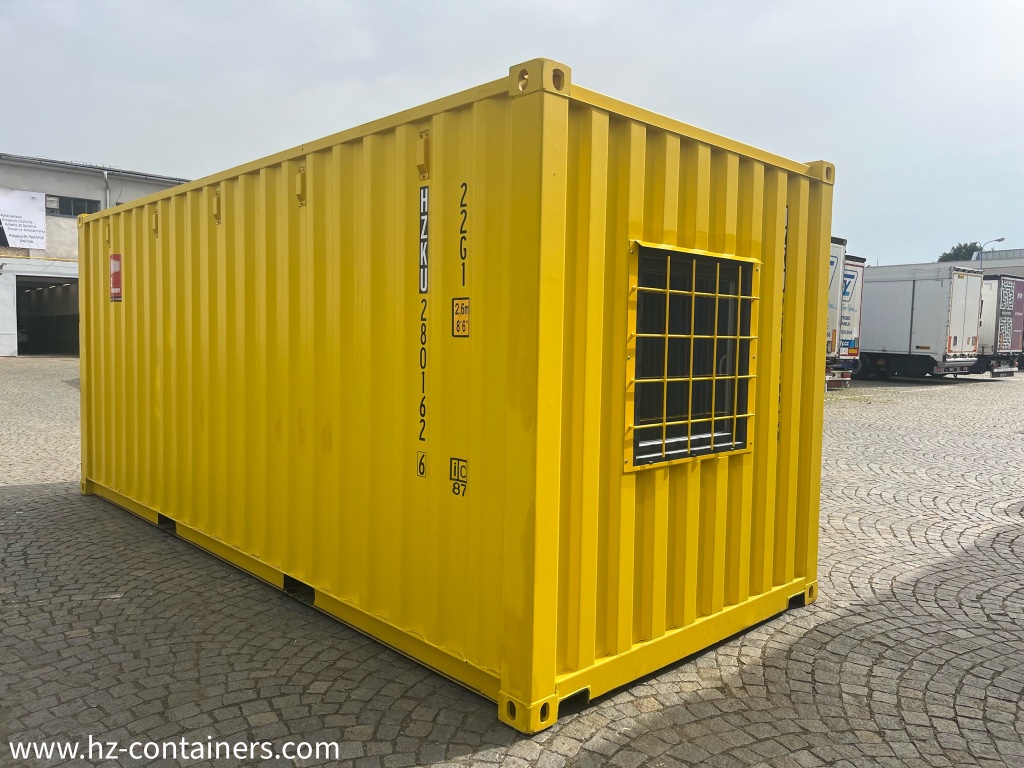
Definition
RE USE centers are specialized facilities focused on reviving decommissioned items. These centers concentrate on collecting, renovating, and redistributing materials such as furniture, electronics, textiles, and building materials. By extending the life cycle of these products, RE USE centers actively fight waste and support sustainable consumer habits.
Role of Shipping Containers in RE USE Centers
Shipping containers serve as the structural backbone of many RE USE centers. Due to their adaptability, durability, and modular design, they are a natural choice for this purpose. Whether used as storage spaces, workshops, or retail spaces, containers offer an affordable and ecological alternative to traditional buildings.
Why Use Shipping Containers for RE USE Centers?
1. Durability and Weather Resistance
Shipping containers are made from Corten steel, a material specially designed to resist corrosion and extreme weather conditions. This makes them ideal for outdoor installations or semi-permanent facilities, ensuring that stored items remain safe regardless of the surrounding environment.
2. Modularity and Flexibility
Shipping containers are available in standardized sizes, such as 20-foot and 40-foot. Their modular nature allows them to be stacked, connected, or configured into custom layouts, which is particularly useful for adapting the size of a RE USE center according to current needs.
3. Environmental Responsibility
Reusing shipping containers aligns perfectly with sustainability principles. By reusing these durable structures, we reduce demand for new building materials and minimize waste.
4. Cost Effectiveness
Compared to traditional construction, shipping containers are significantly cheaper. Their pre-fabricated design also reduces labor costs and construction time, making them a practical choice for projects with limited budgets.
5. Portability
Shipping containers are designed for easy transport. This feature is particularly advantageous for RE USE centers that may need to relocate or operate in temporary spaces, such as during festivals or community events.
Uses of Shipping Containers in RE USE Centers
Shipping containers can be customized to meet the specific needs of a RE USE center. Here are some of the most common applications:
1. Storage Spaces
Due to their solid construction, shipping containers are ideal for storing donated items, sorted materials, and supplies. They can be customized with shelving, climate control systems, and security features according to specific requirements.
2. Workshops
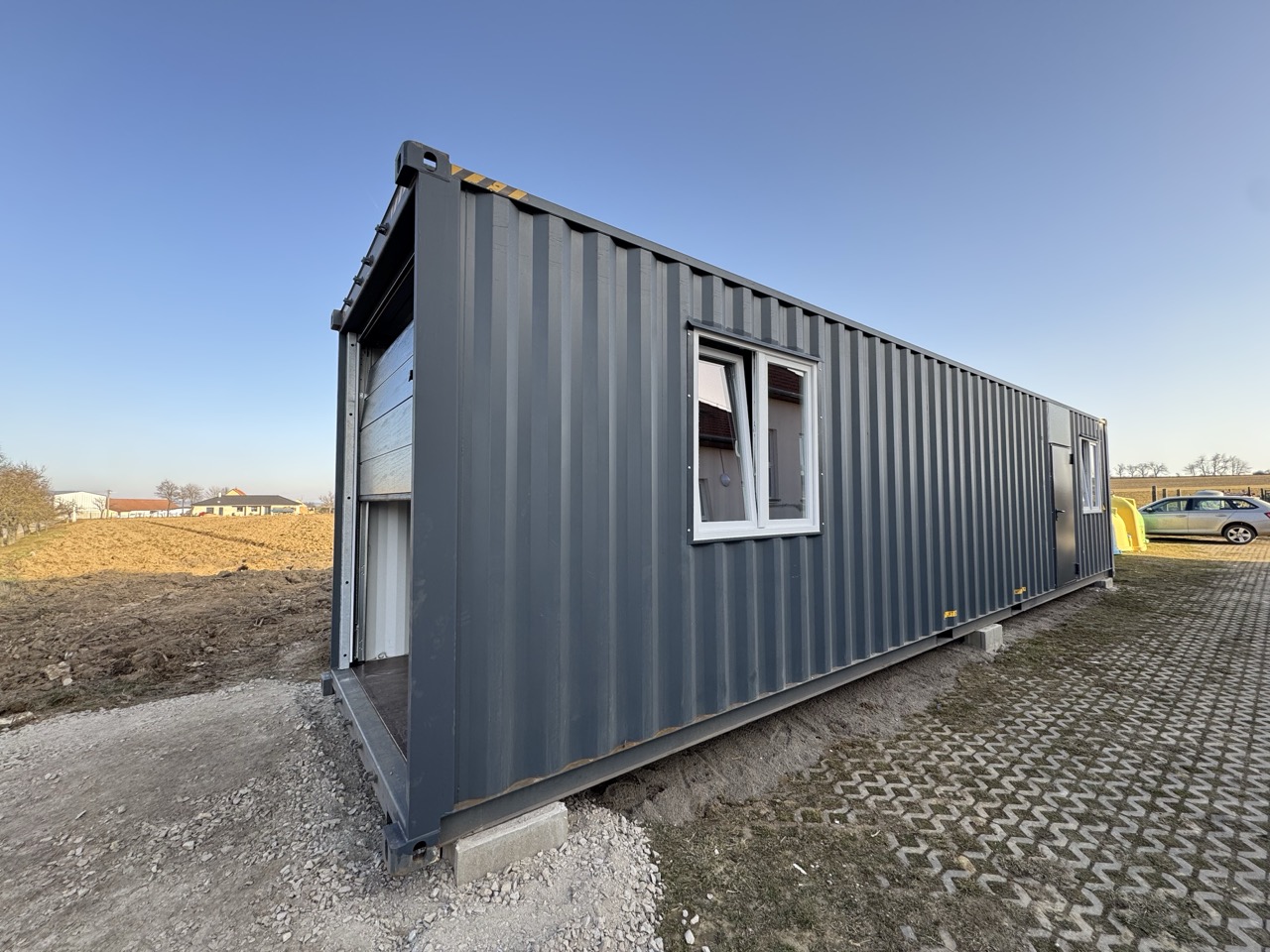
Containers can be converted into functional repair workshops for renovating furniture, electronics, bicycles, and other items. Proper insulation, ventilation, and installation can transform these spaces into comfortable and productive work environments.
3. Showrooms and Retail Spaces
Refurbished containers are excellent showrooms for recycled products. Their industrial aesthetic appeals to environmentally conscious customers and adds a touch of originality to shopping.
4. Collection Points
Containers can serve as convenient collection points for community donations. These structures can be equipped with lids or other openings to facilitate collection.
5. Community Spaces
Shipping containers can be converted into classrooms, meeting rooms, or event spaces that support community engagement and education about sustainability.
6. Pop-Up RE USE Centers
For temporary or mobile installations, shipping containers can be used to create pop-up RE USE centers. These installations are ideal for promoting reuse and sustainability at public events or in areas with limited space.
Examples of Creative Modifications for RE USE Centers
To increase their functionality, shipping containers can be modified in various ways:
1. Insulation and Climate Control
Adding insulation and climate control systems helps maintain a stable environment that protects sensitive items from extreme temperatures.
2. Drop-Down Doors and Access Features
Wide openings and drop-down doors facilitate handling of large items. Additional features such as ramps and railings can ensure accessibility for all.
3. Solar Panels
Equipping containers with solar panels enables RE USE centers to generate renewable energy and reduce their environmental footprint.
4. Rainwater Harvesting
Containers can be equipped with systems for collecting and storing rainwater, which can be used for cleaning or irrigation.
5. Stacking for Vertical Expansion
For locations with limited space, containers can be stacked to create multi-level facilities that maximize the use of available area.
Key Benefits of Shipping Containers for RE USE Centers
1. Sustainability
Reusing decommissioned containers prevents waste generation and reduces demand for new building materials.
2. Adaptability
Containers can be modified to meet changing needs, giving them unparalleled versatility.
3. Speed
Building a RE USE center using shipping containers is faster than traditional construction methods, allowing for quick responses to community needs.
4. Aesthetic Appeal
The modern industrial appearance of containers attracts attention and promotes community engagement.
5. Community Impact
RE USE centers built on shipping containers serve as visible symbols of sustainability and inspire others to adopt ecological practices.

 Czech Republic, Třebíč
 WITHOUT DELIVERY


More container news...

Shipping container office
A shipping container office is a steel intermodal shipping container that has been repurposed or purpose-built into a functional, climate-controlled workspace. Rather than climbing steps into a raised trailer, most of these units sit directly on the ground, letting workers, visitors, and equipment move in and out without a ramp or staircase. They have grown into a mainstream option on construction sites, at events, in industrial parks, and increasingly in backyards and business districts — because they combine the portability of a trailer with a level of durability that lighter-built structures often cannot match.

When 40 feet is too much and 20 is not enough: Professional, tailor-made shortening of a shipping container
Need more than a 20ft container without the 40ft footprint? Discover our tailor-made shortening to 30ft with original double doors, anti-corrosion care & 100% watertight joints.

Corner Casting Lifting & Stacking
A corner casting is the standardized steel fitting welded into all eight corners of an ISO shipping container, and it is the single most important structural interface in modern intermodal transport. Every time a crane lifts a 30-ton container, every time a stack of boxes rides nine or ten high across the ocean, and every time a container is locked to a truck chassis or rail car, the entire force of the operation travels through these unremarkable-looking metal blocks.

What Are the Internal Dimensions of a 40 Foot Container?
A standard 40-foot dry shipping container has internal dimensions of 12,032 mm in length, 2,352 mm in width, and 2,395 mm in height — or approximately 39 feet 5⅝ inches × 7 feet 8⅝ inches × 7 feet 10¼ inches. These figures come from the published specifications of major shipping lines and align with the ISO 668 international standard for Series 1 freight containers. The internal capacity is roughly 67.7 cubic meters (2,390 cubic feet).