
Refrigerant charging for refrigerated shipping containers
Refrigerant charging is a highly specialized technical process in which a precisely specified amount of refrigerant is added or restored to the closed cooling circuit of a container refrigeration unit. This is essential for the proper function, efficiency, and safety of the whole system. Refrigerated shipping containers, referred to as reefers, can therefore maintain stable low temperatures from –65 °C to +40 °C, enabling the transport of highly sensitive goods (food, pharmaceuticals, electronics, chemicals) over long distances.
Modern cooling systems in containers are designed for maximum efficiency, often with remote monitoring and control capabilities. The refrigerant charging process is reserved for certified technicians for safety and environmental reasons – not only because of the risk of harmful substance leaks but also because precise service procedures and manufacturer‑specified refrigerant quantities must be followed.
Basic principles and the importance of correct charge
The cooling system of each refrigerated container operates on a closed‑loop refrigerant circulation that changes phase from liquid to gas and back several times per minute. In this process it absorbs heat from the interior space and releases it outside.
Why is the correct amount of refrigerant critical?
- Correct charge: Ensures the system operates in an optimal pressure and temperature regime. Refrigerant efficiently removes heat from the cargo and saves energy.
- Insufficient charge: Leads to inadequate cooling, higher energy consumption, compressor overheating, and risk of component damage.
- Excessive charge: Increases condensing pressure, reduces unit efficiency, creates a risk of “liquid slugging” (liquid hitting the compressor) and potential mechanical failure.
Consequences of incorrect refrigerant charge
| Fault type | Manifestation | Risk/Problem |
|---|---|---|
| Under‑charge | Reduced performance, higher energy consumption, bubbles in sight glass | Compressor overheating, cargo degradation |
| Over‑charge | High pressure, safety shut‑off activation | Liquid slugging, compressor damage, higher consumption |
Modern trends
- Remote monitoring: Operational parameters are often monitored in real time, allowing early detection of pressure and refrigerant quantity changes to prevent faults.
- Intelligent control units: Automatically diagnose operating modes and evaluate alarm conditions.
Types of refrigerants used in refrigerated containers
The choice of refrigerant affects not only performance but also the environmental footprint and regulatory compliance.
Most common refrigerants
| Designation | Chemical composition | Use | Main properties |
|---|---|---|---|
| R134a | Tetrafluoroethane (HFC) | Older and mid‑range containers | Low ODP, medium GWP |
| R513A | HFO/HFC blend | Newer containers, upgrade from R134a | Even lower GWP, suitable replacement |
| R452A | HFO/HFC blend | New models, pharma transport | High efficiency, lower GWP |
| R404A | HFC blend | Older systems | High GWP, being phased out |
| R1234yf | Hydrofluoroolefin (HFO) | New, eco‑friendly systems | Very low GWP, future standard |
Note: EU legislation (F‑Gas Regulation No 517/2014) emphasizes gradual GWP reduction and promotes the transition to HFO refrigerants.
Key components of the refrigeration unit (Refrigeration Unit)
Refrigeration circuit diagram
- Compressor – compresses the refrigerant and drives its flow through the circuit.
- Condenser – where the refrigerant releases heat to the outside (air or water).
- Expansion valve (TXV) – meters refrigerant to the evaporator according to temperature and pressure.
- Evaporator – inside the container, where the refrigerant absorbs heat from the cargo.
Additional important elements
- Control unit (Micro‑Link, Carrier, Thermo King, etc.) – monitors and controls the system, stores service history, enables remote supervision.
- Temperature and pressure sensors – (e.g., RRS, RTS, SRS, STS) for temperature control and early fault warning.
- Safety devices – high‑pressure and low‑pressure switches, motor overheat protection, alarm codes.
Types of condensers
- Air‑cooled condenser – standard, simpler, easy to service.
- Water‑cooled condenser – used on ships, higher efficiency, requires caution during charging to avoid pipe freezing.
Tools and technical equipment for refrigerant charging
Overview of basic tools:
| Tool | Purpose |
|---|---|
| Manifold gauge set | Pressure measurement, charging control, parameter verification |
| Electronic leak detector | Locate refrigerant leaks before charging |
| Refrigerant scale | Precise dosing by weight |
| Recovery machine | Environmentally safe removal of old refrigerant |
| Vacuum pump | System evacuation (removal of air and moisture) |
| Thermometers, pressure probes | Diagnostics, measuring overheating and under‑cooling |
TIP: Modern technology significantly reduces the risk of refrigerant loss when disconnecting hoses (push‑pull techniques, service valves with minimal leakage).
Refrigerant charging process: step by step
1. Safety and preparation
- Disconnect the unit from power and secure it against accidental start‑up.
- Use personal protective equipment (glasses, gloves).
- Perform a thorough leak check on all connections.
2. Recovery and evacuation
- Use a recovery machine to extract remaining refrigerant into a collection bottle.
- Connect a vacuum pump and evacuate the system to below 500 µm (removing moisture and air).
- Perform a vacuum leak test.
3. Actual charging
- Place the refrigerant bottle on a scale, connect the hose from the gauge set to the service port.
- Bleed the hose (briefly open the gauge nut).
- Charge liquid refrigerant through the high‑pressure port with the system off until the scale shows the prescribed amount.
- If adding a small amount to a running system, charge only gaseous refrigerant into the suction (low‑pressure) side.
4. Check and completion
- Start the unit, monitor operating pressures and temperatures, verify correctness through the sight glass.
- Record the service action, close all valves, replace covers, disconnect tools without refrigerant loss.
Advanced aspects and regulatory requirements
Legislation and ecology
- EU F‑Gas Regulation (517/2014): Strict oversight of leaks, mandatory record‑keeping, ban on venting refrigerants to the atmosphere.
- Technician certification: Work with refrigerants is restricted to holders of appropriate certifications (e.g., Czech Republic certification according to Act 73/2012 Sb.).
Modern technology
- Remote monitoring: Allows tracking of pressure, temperature, humidity and refrigerant quantity remotely – essential for preventive maintenance.
- Advanced alarms: Control units provide detailed alarm codes and diagnostic guidance.
- Energy efficiency: New models use inverter compressors, optimized fans and low‑loss insulation.
Frequently asked questions and recommended procedures
| Question | Answer |
|---|---|
| How often does refrigerant need to be added? | A properly sealed system can last years without loss. Adding refrigerant indicates a leak and requires repair. |
| How do I know when refrigerant is needed? | Loss of performance, control‑unit alarms, bubbles in the sight glass, high cargo temperatures. |
| What is the most common refrigerant in 2024? | R134a is being phased out; new units use more HFO blends with lower GWP (R513A, R1234yf). |
| What is the biggest risk during charging? | Refrigerant release to the atmosphere (environmental damage, fines) and liquid ingestion into the compressor. |
Extended recommendations for operators
- Regularly service and check system tightness.
- Utilize remote monitoring capabilities.
- Stay informed about changes in refrigerant types and leak‑recording obligations.
- If a leak is suspected, always contact a certified technician.
Real‑world scenarios and practical examples
Example: Charging a container with a water‑cooled condenser in winter
- When charging an empty system in cold weather, start with gaseous refrigerant to avoid freezing water in the condenser. Rapid liquid charging can drop temperatures below freezing and cause pipe rupture.
Best practices for loading and operation
- Proper cargo arrangement: Ensure adequate airflow around goods to prevent temperature zones.
- Door and insulation tightness check: Poor sealing leads to condensation, higher energy use, and cargo damage.
- Regular monitoring: Watch operational alarms and real‑time values, intervene preventively.
 Czech Republic, Třebíč
  FREE SHIPPING
Other container news...

New shipping containers
If you are currently considering purchasing a new shipping container, you are not alone. While just twenty years ago containers were used almost exclusively for maritime transport, today they have found their way into construction, storage, business, and even housing. This growing popularity brings with it a host of questions: Which type should you choose? How much does it cost? How do you recognize quality? How can you avoid falling victim to scammers?
New sea shipping containers
If you are currently considering purchasing a new shipping container, you are not alone. While just twenty years ago containers were used almost exclusively for maritime transport, today they have found their way into construction, storage, business, and even housing. This growing popularity brings with it a host of questions: Which type should you choose? How much does it cost? How do you recognize quality? How can you avoid falling victim to scammers?

6m shipping container
Are you thinking about buying a 6-meter shipping container but aren’t sure what to look for? You are not alone—this 20-foot container is the best-selling size on the Czech market, and the differences between various types, conditions, and prices can be significant. In this guide, you will find everything you need to know: from exact dimensions and a comparison of categories (such as “one-way,” refurbished, and “Cargo Worthy”) to current prices and shipping advice.
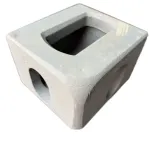
Corner casting steel vs aluminum
Every shipping container in the world — all 40 million of them — rests on eight critical components. Corner castings are the load-bearing blocks at each corner of an ISO shipping container, and they are the universal interface between the container and every crane, twistlock, spreader, and chassis on the planet. When you lift a container, stack it nine high on a ship, or lock it to a truck trailer, every ton of force flows through these fittings.