
Cryptocurrency mining in a shipping container
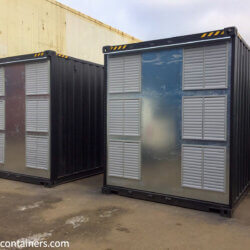
What is cryptocurrency mining in a shipping container?
Shipping container cryptocurrency mining refers to the use of standard or modified shipping containers as mobile and scalable units for cryptocurrency mining operations. These containers are customized with special equipment such as mining equipment (rigs), cooling systems and power distribution networks to create an efficient and portable environment for mining digital currencies such as Bitcoin or Ethereum.
This innovative approach combines the portability and durability of shipping containers with modern technology to meet the growing demands of cryptocurrency mining. It allows miners to deploy operations in remote locations, access cheaper energy and adapt to market fluctuations with minimal infrastructure investment. Miners are increasingly adopting this modular solution because it offers operational flexibility, cost efficiency and scalability.
Key Features of Mining Containers
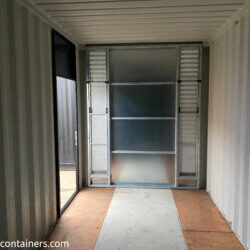
- Portability
One of the main advantages of mining containers is their mobility. These self-contained units can be easily transported by road, rail or sea to areas with favourable energy conditions, such as regions with cheap electricity or abundant renewable energy sources. Mobility is particularly beneficial for miners who need to move their operations in response to fluctuating electricity prices or regulatory changes. - Scalability
Mining containers are modular, allowing operators to expand or contract operations by adding or removing containers. A single container can accommodate hundreds of mining equipment, and multiple containers can be combined to create larger mining farms. Immersion-cooled containers can significantly increase equipment density, enabling 2-3 times the computing power compared to traditional cooling methods. - Energy efficiency
Modern mining containers are designed with energy-efficient cooling systems such as air cooling, liquid cooling or immersion cooling technology to help minimize energy consumption while maintaining optimal hardware performance. Immersion cooling is gaining popularity due to its ability to reduce energy costs by up to 30% and extend equipment lifetime, according to BiXBiT research. - Security
Mining containers are built to withstand harsh environmental conditions and are equipped with robust safety features, including reinforced steel frames, monitoring systems and access controls to protect valuable mining hardware. These features are key for deployment in remote areas where security risks are higher. - Cost-effectiveness
By converting shipping containers to mining units, operators can save on the construction costs associated with traditional data centers and quickly deploy their operations in areas with lower electricity costs. D-Central points out that this modular approach is more affordable and reduces the need for permanent infrastructure.
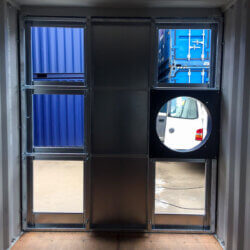
How does it work?
1. Container modification
- Standard shipping containers are modified to include
:Polylang placeholder do not modify
- Containers can also be equipped with renewable energy solutions such as solar panels or natural gas generators to reduce operating costs. This is in line with industry trends towards sustainability.
2. Deployment
- After treatment, the containers are transported to the desired location. This can be near renewable energy sources such as solar or wind farms, or in areas with surplus energy, such as oil fields with untapped gas. Producers often deploy these containers in hard-to-reach areas or regions with optimal energy conditions.
3. Operation
- The mining equipment inside the container solves complex algorithms to verify cryptocurrency transactions on the blockchain network.
- The container’s cooling and power systems ensure that the mining hardware operates efficiently without overheating or power interruptions.
4. Monitoring and maintenance
- Advanced monitoring systems allow operators to remotely monitor mining equipment performance, energy consumption and temperature. Regular maintenance ensures long equipment life. BiXBiT highlights the role of AI-driven systems in predictive maintenance and performance optimization.
The advantages of containerised mining
- Location flexibilityPolylang
placeholder do not modify
- Energy optimizationPolylang
placeholder do not modify
- Quick DeploymentPolylang
placeholder do not modify
- Environment adaptabilityPolylang
placeholder do not modify
- Lower initial investmentPolylang
placeholder do not modify
The challenges of containerised shipping container mining
- High initial set-up costs
While cheaper than building a data center, customizing a container with advanced cooling and power systems can still require a significant upfront investment. - Energy management
Mining operations require extensive energy infrastructure. Any interruption in power supply can lead to outages or damage to equipment. - Cooling in hot climates
In regions with high temperatures, even advanced cooling can struggle to maintain optimal conditions for mining equipment, leading to increased energy costs. - Compliance with regulations
Some jurisdictions have strict regulations on cryptocurrency mining, including restrictions on energy consumption and environmental impacts. Miners must ensure compliance to avoid legal issues. - Security risks
Despite improved security features, containers deployed in remote areas may still be vulnerable to theft or vandalism.
Future trends in mining containers

- Integration with renewable energy sources
Containers will increasingly use renewable energy sources such as solar and wind power to reduce costs and environmental impact. - Advanced cooling technologies
New cooling methods, including immersion cooling and artificial intelligence temperature control, will improve efficiency and reduce energy costs. - Waste heat recycling
Future designs may include systems to recycle waste heat for use in nearby industries or for heating residential spaces. - Artificial intelligence and automation
Artificial intelligence enables smart monitoring and predictive maintenance, reducing downtime and extending hardware life. - Improved security
Biometric access controls, encrypted communications and automatic alarms provide better protection for mining operations.

 Czech Republic, Písek
  WITHOUT SHIPPING




Other container news...
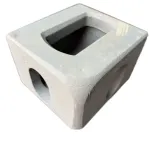
Corner casting steel vs aluminum
Every shipping container in the world — all 40 million of them — rests on eight critical components. Corner castings are the load-bearing blocks at each corner of an ISO shipping container, and they are the universal interface between the container and every crane, twistlock, spreader, and chassis on the planet. When you lift a container, stack it nine high on a ship, or lock it to a truck trailer, every ton of force flows through these fittings.

Construction cabin – selection, tips, dimensions and prices
Every construction project – whether a family house, a development project or a reconstruction – starts with the infrastructure. No construction manager, craftsman or investor who needs an on-site office, a changing room for workers or a safe storage for tools can do without a quality construction cell. But navigating the offer is not easy: residential containers, sanitary cells, storage modules, rental, purchase, refurbished pieces… This guide will give you answers to all the essential questions in one place.
Storage container
A storage container is a lockable steel box designed for the safe and dry storage of materials, tools, goods or equipment. Originally created as a shipping container for maritime transport, its durability and versatility have found their way onto construction sites, corporate premises and private land.
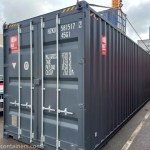
Shipping container 12m (40 ft)
A 12m shipping container is an investment that, if properly selected and cared for, will pay off in decades of trouble-free use. Whether you plan to use it as a warehouse, workshop, garage or the basis for a residential module — the key is careful selection of the condition, a thorough inspection before purchase and high-quality preparation of the base for placement. Take the time to compare offers, check the seller’s references and do not hesitate to personally inspect the container before buying. A properly selected 40-foot container will serve you reliably for many years.