
Can Water Get Into a Shipping Container?
Water ingress into shipping containers is a fundamental topic in global logistics and container transport. This article addresses the question “Can water get into a shipping container?” and provides a detailed description of how water ingress occurs, its causes, consequences, and prevention methods. The information here also includes related topics, such as condensation in shipping containers, temperature differences, and cargo insurance, providing a comprehensive view of the issue.
What is Water Ingress into Shipping Containers?
Water ingress refers to unwanted water penetration into a shipping container. This can occur in various ways, including condensation (commonly known as container rain), damaged container seals, or direct exposure to seawater during maritime transport. Shipping containers are designed to be weather-resistant; however, under unfavorable conditions, they are not completely immune to water ingress.
Main Causes of Water Ingress
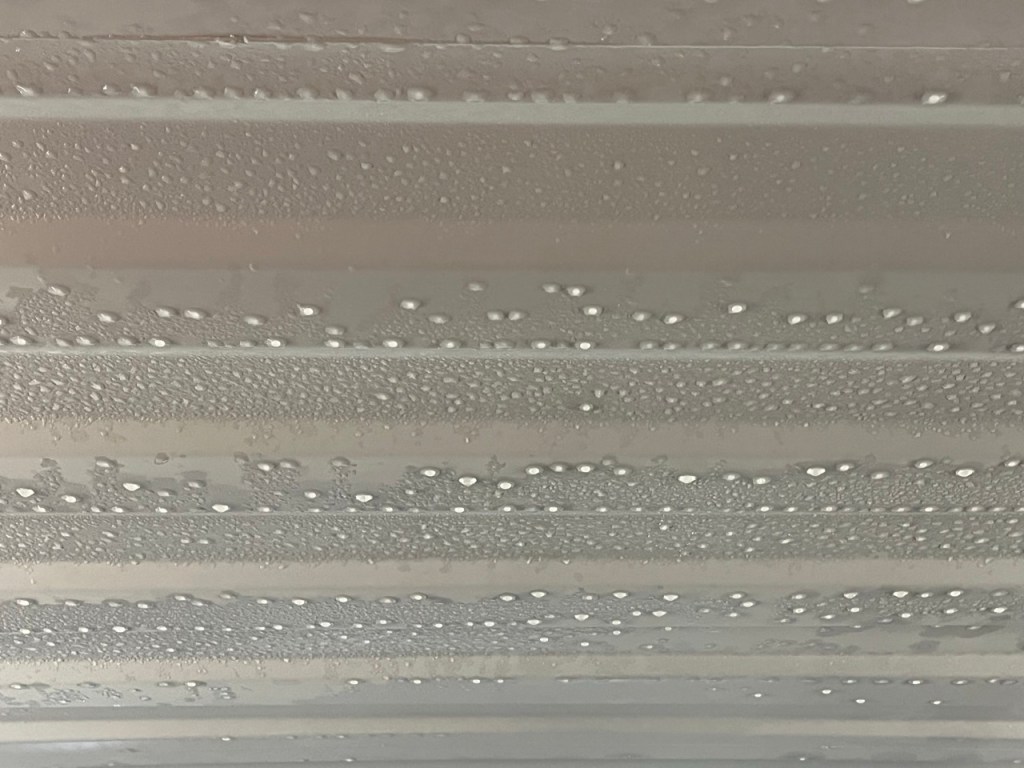
1. Condensation in Container (Container Rain)
Condensation in a container, also referred to as container rain, occurs as a result of temperature differences inside the container. When warm and humid air inside the container cools (for example, during the night or when transported through cooler regions), it reaches the dew point, causing moisture to condense on the metal walls and ceiling. This water subsequently drips onto the cargo, which can cause its damage.
Example:
- At a temperature of 30 °C, the air inside the container can retain 30.4 g of water per cubic meter. If the temperature drops to 18 °C, water vapor condenses, which can create up to 1 kg of water in a 40-foot container.
This phenomenon worsens during transport on routes with significant temperature differences, for example, when transporting from tropical regions to temperate zones.
2. Moisture Contained in Cargo
Some types of cargo, such as wooden furniture, textiles, or agricultural products, naturally contain moisture. During transport, this moisture evaporates and contributes to high humidity inside the container, increasing the risk of condensation. For example, wooden pallets used for packaging can release significant amounts of moisture if they have a high equilibrium moisture content (EMC).
3. Seawater Ingress
Seawater ingress is particularly common when containers are loaded on deck or during rough seas. Strong winds, waves, or even container overturning can lead to water penetration through ventilation openings, gaps, or weakened seals. Containers that fall overboard face the greatest risk of seawater damage.
4. Freshwater Ingress
Freshwater can penetrate the container through damaged seals, cracks, or poorly closed doors during rainstorms or snowmelt. Even small openings can allow significant amounts of water to penetrate over time. For example, leaks in roof and wall joints or cracks in piping can serve as entry points for water.
5. Temperature Fluctuations
Temperature differences during international transport are a major cause of water ingress. Containers often experience extreme temperature fluctuations during transport, especially when transported across oceans or between different climatic conditions. These fluctuations can lead to condensation and “container rain,” where water droplets form on the interior surfaces of the container.
Consequences of Water Ingress
Water ingress can cause significant damage to cargo and the container itself. Here is an overview of possible impacts:
a) Cargo Damage
- Mold and fungal growth: High humidity creates an ideal environment for mold and fungal growth, which can damage textiles, paper products, and organic materials.
- Corrosion: Metal goods or components can oxidize or corrode when exposed to moisture, accelerating their degradation.
- Deformation and warping: Wooden and cardboard items can deform due to uneven moisture absorption.
- Caking of bulk materials: Powdered or granulated materials, such as food raw materials or chemicals, can form lumps, reducing their usability.
b) Structural Degradation of Containers
Long-term exposure to moisture can cause corrosion of the container interior, weaken its structural integrity, and shorten its lifespan. Common problems are rust and weakened seals caused by repeated water exposure.
How to Prevent Water Ingress into Shipping Containers
1. Proper Loading Procedures
- Ensure that the cargo and loading environment are dry.
- Use desiccants or moisture absorbers to regulate humidity inside the container.
2. Container Seal Inspection
- Regularly inspect cracks, rust, or gaps in door seals, walls, and roof panels before loading cargo.
3. Condensation Prevention
- Use insulated containers or install thermal liners to maintain stable interior temperature.
- Ensure proper ventilation by installing ventilation openings or using mechanical ventilation systems.
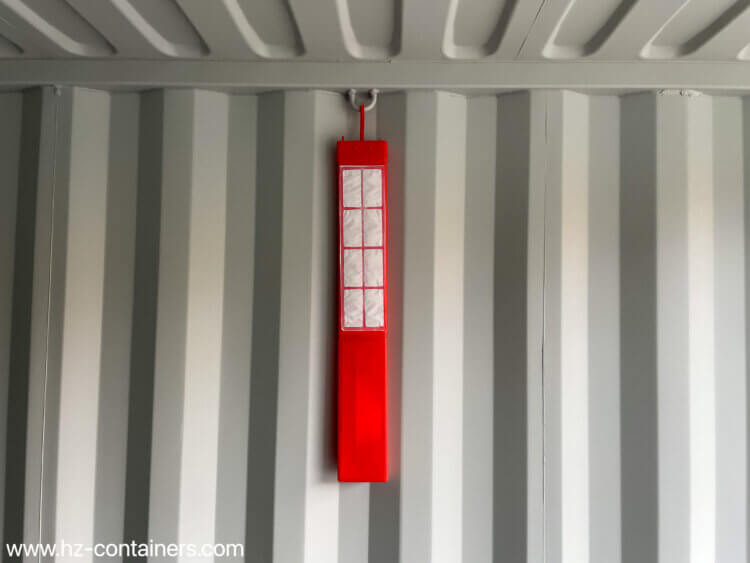
4. Use of Desiccants
- Materials such as silica gel or calcium chloride can absorb excess moisture from the air. For example, for a 20-foot container, two desiccant columns are recommended, while for a 40-foot container, four are recommended.
5. Waterproof Packaging
- Wrap sensitive items in water-resistant materials, such as shrink wrap or moisture-resistant plastic. Electronics and other fragile goods can be further protected using vacuum packaging.
6. Grafotherm Coating
- Apply a textured coating, such as Grafotherm, to the container ceiling to slow condensation and allow faster moisture evaporation.
Insurance Against Water Damage
Marine cargo insurance and related policies can cover losses caused by water ingress:
a) All-Risk Insurance
- Covers damage caused by seawater ingress during storms or accidents; however, it may exclude damage caused by freshwater.
b) Freshwater Rain Insurance
- Specifically covers losses caused by freshwater, such as rain, snow, or leaks from damaged seals.
c) Condensation Loss Insurance
- Some policies include coverage for damage caused by condensation or ventilation failure. Always verify the conditions with your insurance provider.
Shipping containers are highly efficient for transporting goods; however, they are not completely resistant to water ingress. By understanding the causes of water ingress—such as condensation, damaged seals, or exposure to weather conditions—and implementing preventive measures, such as proper sealing, insulation, and desiccants, companies can significantly reduce the risk of water damage. Additionally, securing marine cargo insurance provides financial protection for unforeseen circumstances.

 Czech Republic, Třebíč
  FREE SHIPPING

Other container news...

High Cube container specifications
A high cube container — also referred to as an HC container, HQ container, or high-cube — is an intermodal shipping container that stands one foot taller than the standard ISO container. While a standard general-purpose container measures 8 feet 6 inches (2.59 m) in external height, a high cube container extends to 9 feet 6 inches (2.89 m). This extra 12 inches of vertical clearance translates into approximately 10–15% more cubic capacity without altering the container’s footprint — the same length and width are maintained, meaning the container occupies the same floor space on a vessel, chassis, or storage yard.
Shipping container parts
A shipping container looks like a simple steel box from the outside, but it is an assembly of dozens of precisely engineered shipping container parts — each governed by international standards, each designed to survive decades of ocean transit, crane lifts, and stacking loads that would crush an ordinary structure. Whether you are buying a used container, planning a container home, troubleshooting a repair, or simply building your logistics vocabulary, understanding every individual component is the difference between making an informed decision and an expensive mistake.

40 Foot Container Dimensions
If you have ever booked ocean freight, planned a warehouse layout, or designed a modular building project, you have asked the same question: what are the exact 40 foot container dimensions — and what do they mean for what you can actually load? The numbers are standardized worldwide, but the practical implications of those numbers are surprisingly nuanced. A 40-foot container is not simply 40 feet of usable space, and its weight limits are not what most people assume. This guide covers every measurement, every weight rating, and every loading consideration you need to make informed decisions about the world’s most common shipping container.
Quick Answer: A standard ISO 40-foot shipping container measures 12.19 m (40 ft) long × 2.44 m (8 ft) wide × 2.59 m (8 ft 6 in) high externally and provides approximately 67.7 m³ (2,390 ft³) of usable internal volume. The maximum gross weight is 30,480 kg (67,200 lbs), with a typical payload capacity of approximately 26,700–26,800 kg (58,900–59,000 lbs).

Cargo worthy container
If you have ever shopped for a used shipping container, you have almost certainly encountered the term cargo worthy — often abbreviated as CW or CWO (Cargo Worthy Only). It is one of the most important classifications in the container industry, yet it is also one of the most misunderstood. A cargo worthy container is not a container that looks new. It is not necessarily a container that has a valid CSC plate. And it is definitely not the same as a wind and watertight container. This guide explains what cargo worthy really means — from its technical definition and historical origins to the precise structural criteria, inspection process, cost implications, and common misconceptions that trip up even experienced buyers.