
TARIC Code for Import and Export
What is a TARIC Code?
TARIC Code (Integrated Tariff of the European Communities) is a 10-digit classification system used to identify goods imported into or exported from the European Union (EU). This system is crucial for international trade, especially within the EU’s customs framework. TARIC codes facilitate the classification of goods, ensure correct application of duties, compliance with regulations, and enforcement of trade restrictions.
TARIC codes are derived from the Harmonized System (HS) and the Combined Nomenclature (CN), and include specific EU trade policies, customs measures, and regulatory requirements. For companies involved in importing or exporting goods, proper use of TARIC codes is essential for complying with EU customs regulations.
CN for shipping containers is 8609 00 90.
Why is the TARIC Code Important?
The TARIC code is important for several reasons:
- Customs compliance: Ensures accurate classification for customs declarations, allowing authorities to apply the correct duties and taxes.
- Duty calculation: Determines the applicable customs rate, helping companies plan import/export costs.
- Regulatory compliance: Identifies restrictions, bans, or protective measures (e.g. anti-dumping duties) applying to specific goods.
- Efficient processes: Standardizes product classification, speeds up customs clearance, and reduces delays.
- Data analysis: Supports trade data collection within the EU and provides valuable insights into international trade trends.
Structure and Components of the TARIC Code
The TARIC code has 10 digits, with each part providing specific information about the product:
- First 6 digits (HS code):
- Represent the Harmonized System (HS), a global classification system of the World Customs Organization (WCO). It categorizes goods by their nature, type, and purpose.
- Digits 7–8 (CN code):
- Extend the HS code by two digits, including EU trade policies according to the Combined Nomenclature (CN).
- Digits 9–10 (TARIC subheading):
- Further refine the classification, for example, based on specific EU measures such as duties, quotas, or regulatory obligations.
- Supplementary TARIC codes (optional):
- In some cases, additional alphanumeric codes may describe special conditions, such as anti-dumping measures or import restrictions.
Example of a TARIC Code
For containers (including those for transporting liquids) specifically designed and equipped for transportation by one or more modes of transport:
- 8609 0090 00
- 86: Chapter for vehicles and transport equipment.
- 09: Heading for containers, including those for transporting liquids.
- 00: Subheading for general-purpose containers.
- 90: TARIC subheading indicating “other” containers, excluding those with lead radiation shielding covers.
What Are Shipping Containers in the TARIC System?
In the TARIC system, shipping containers refer to containers designed for transporting goods by sea, road, rail, or air. These containers are primarily classified under TARIC heading 8609, which covers containers equipped for transport by one or more modes of transport.
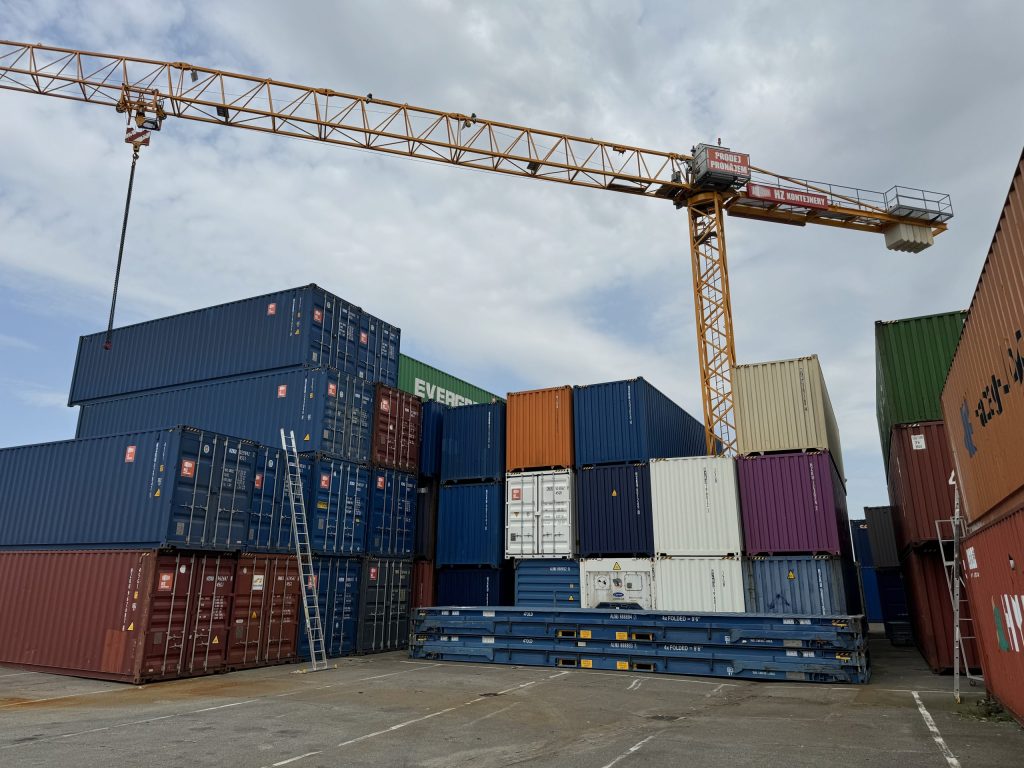
Types of shipping containers:
- Standard containers:
- General purpose containers for dry cargo, for example in sizes of 20 feet or 40 feet.
- Refrigerated containers (Reefers):
- Equipped with a cooling system for transporting perishable goods.
- Tank containers:
- Designed for liquids, including chemicals, fuels, or food-grade materials.
- Flat rack containers:
- Open containers for oversized or heavy cargo, such as machinery or vehicles.
- Ventilated containers:
- Equipped with ventilation systems for transporting commodities such as coffee beans or fresh produce.
Specific TARIC codes for containers
- 8609 0010 00: Containers with a lead radiation shield for radioactive materials.
- 8609 0090 00: Other containers, including those for transporting liquids, excluding specialized radiation-protection designs.
How to use TARIC codes for importing and exporting shipping containers
The correct use of TARIC codes in customs documents involves several steps:
- Identify the product:
- Determine the nature of the container or goods. For example, is the container refrigerated or transporting hazardous materials?
- Find the HS code:
- Use the Harmonized System (HS) for the first six digits. Tools like the WCO website or national customs databases can help.
- Add CN and TARIC subheadings:
- Consult the TARIC database managed by the European Commission to find the specific EU digits, completing the 10-digit code.
- Declare the TARIC code:
- Include the code in the customs declaration along with required documents such as invoices, shipping documents, and certificates of origin.
Common Challenges and Best Practices
Challenges in Using TARIC Codes:
- Complexity: Determining the exact TARIC code can be difficult, especially for specialized goods.
- Frequent updates: TARIC codes are revised annually, sometimes even during the year.
- Penalties for errors: Incorrect classification may result in fines, delays, or rejection of the shipment.
Best Practices for Compliance:
- Use online tools: Use the TARIC EU portal to verify codes.
- Seek experts: Consult customs brokers or freight forwarders specialized in TARIC codes.
- Monitor updates: Keep track of changes in codes and regulations.
- Automate processes: Use software solutions for seamless integration of TARIC codes into supply chain management.
The Importance of TARIC Codes for Container Logistics
Correct classification of shipping containers in the TARIC system is key for:
- Cost optimization: Accurate customs duty calculations help manage transport costs.
- Regulatory compliance: Ensures alignment with EU customs protocols.
- Efficiency: Streamlines customs clearance, reducing transit times.
- Risk management: Identifies restrictions or measures such as quotas or anti-dumping duties.
The TARIC code system is an integral part of EU customs operations, providing a standardized framework for classifying goods, calculating duties, and ensuring compliance. For companies involved in the transport of shipping containers, understanding and properly using TARIC codes is both a legal obligation and a practical strategy for streamlining logistics and reducing costs.
By staying informed and using available resources, companies can effectively manage the complexities of international trade.

 Czech Republic
  WITHOUT SHIPPING

